Beginner’s Powerlifting Gear Guide: What to Buy, Why It Matters, and How to Choose
Getting into powerlifting is one of the best decisions you can make for strength, discipline, and long-term progress. But as a beginner, it can be overwhelming figuring out what gear you actually need — and what’s just hype. The right equipment doesn’t just help you lift more weight; it helps you stay safe, build confidence, and develop strong technique from day one.
This beginner-friendly guide breaks down the essential powerlifting gear, why each piece matters, and how to choose the right option for your training style and goals.
Why Gear Matters in Powerlifting
Powerlifting is built around three high-intensity lifts: the squat, bench press, and deadlift. Proper form and consistent training are crucial, but quality gear gives you:
- Injury prevention (support for joints, spine, and connective tissue)
- Better stability and bracing
- Improved lifting mechanics
- Confidence under heavier loads
- The ability to progress safely over time
You don’t need everything at once — but starting with the fundamentals will dramatically improve your training.
Essential Powerlifting Gear for Beginners
Below are the must-have items for new powerlifters, along with what each one does and how to choose the right version.
1. Powerlifting Belt
A belt is one of the most important investments you can make. It increases intra-abdominal pressure, helping you brace harder, stay stable, and maintain a strong spine during heavy lifts.
Why It Matters
- Improves strength on squats and deadlifts
- Helps prevent back injuries
- Builds better bracing habits
How to Choose
- Look for 10mm or 13mm thickness
- Choose lever for convenience or prong for adjustability
- Make sure the belt is made from stiff, high-grade leather
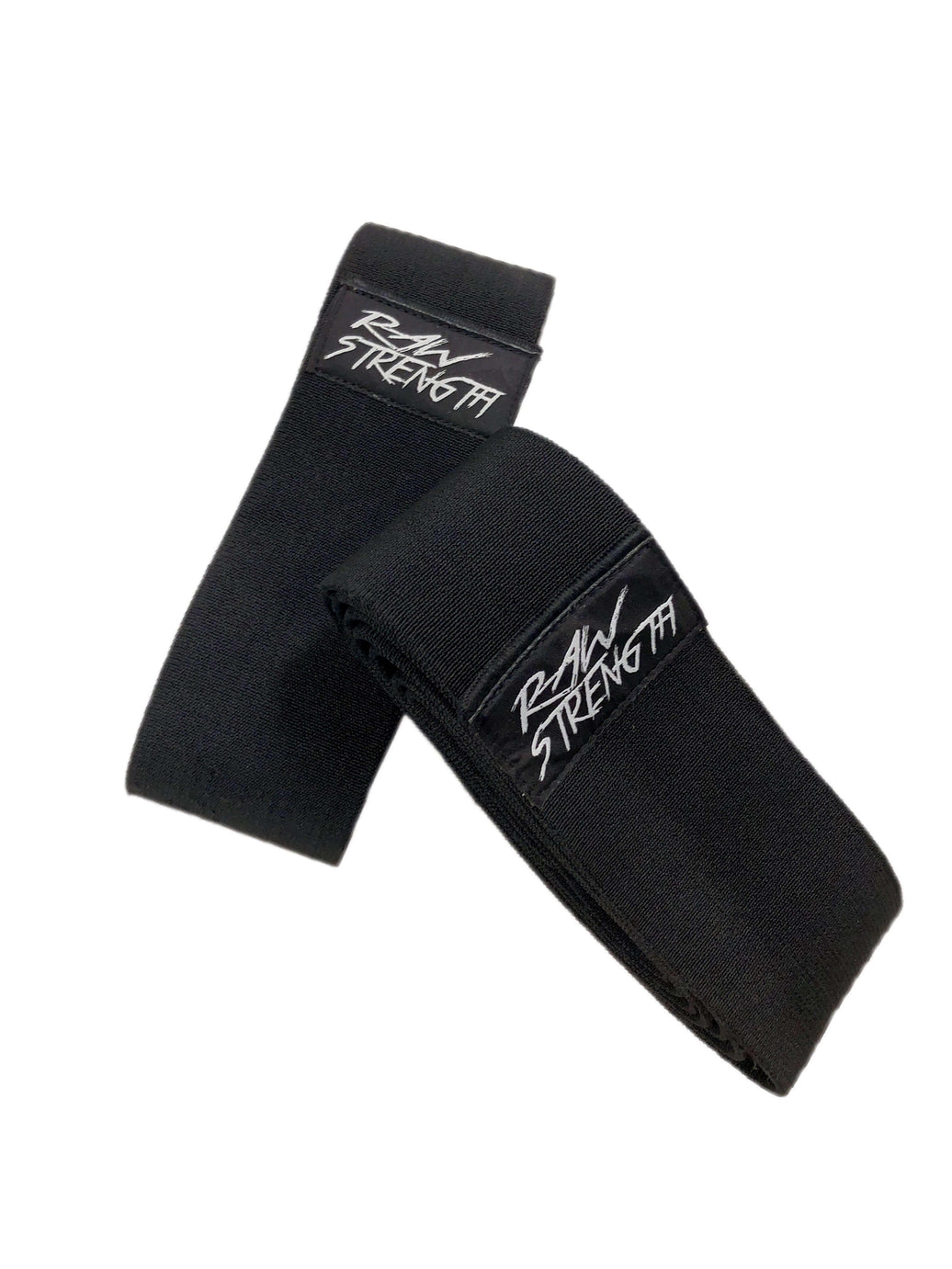
2. Wrist Wraps
Wrist wraps are a beginner’s best friend for the bench press, overhead press, and even squats.
Why It Matters
- Provides support for the wrist joint
- Reduces strain under heavy loads
- Helps keep your wrist stacked and stable
How to Choose
- Lengths range from 18–36 inches
- Beginner-friendly: medium stiffness, 24-inch wraps
- Look for a wide elastic blend for maximum support
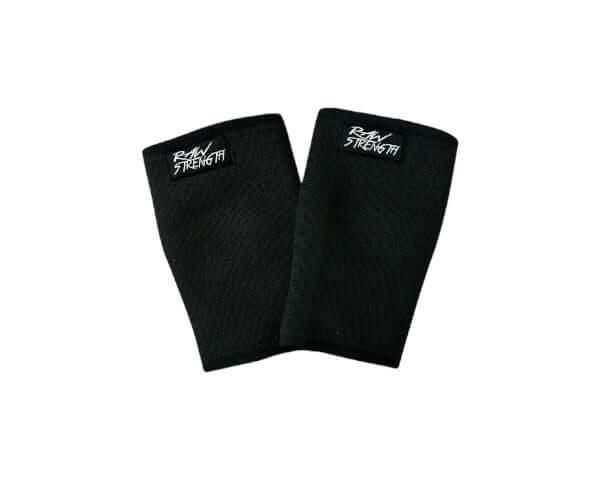
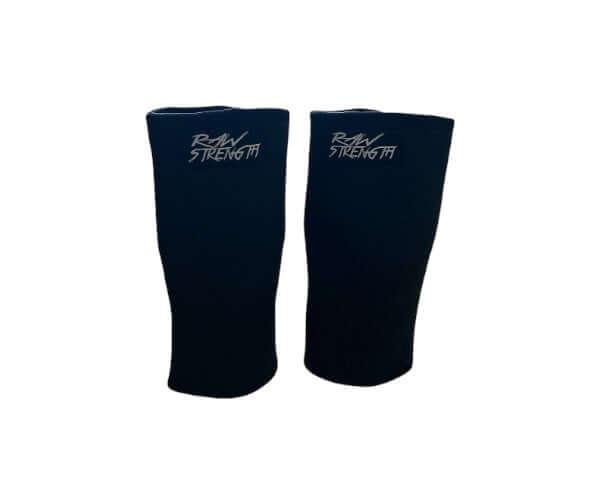
3. Knee Sleeves
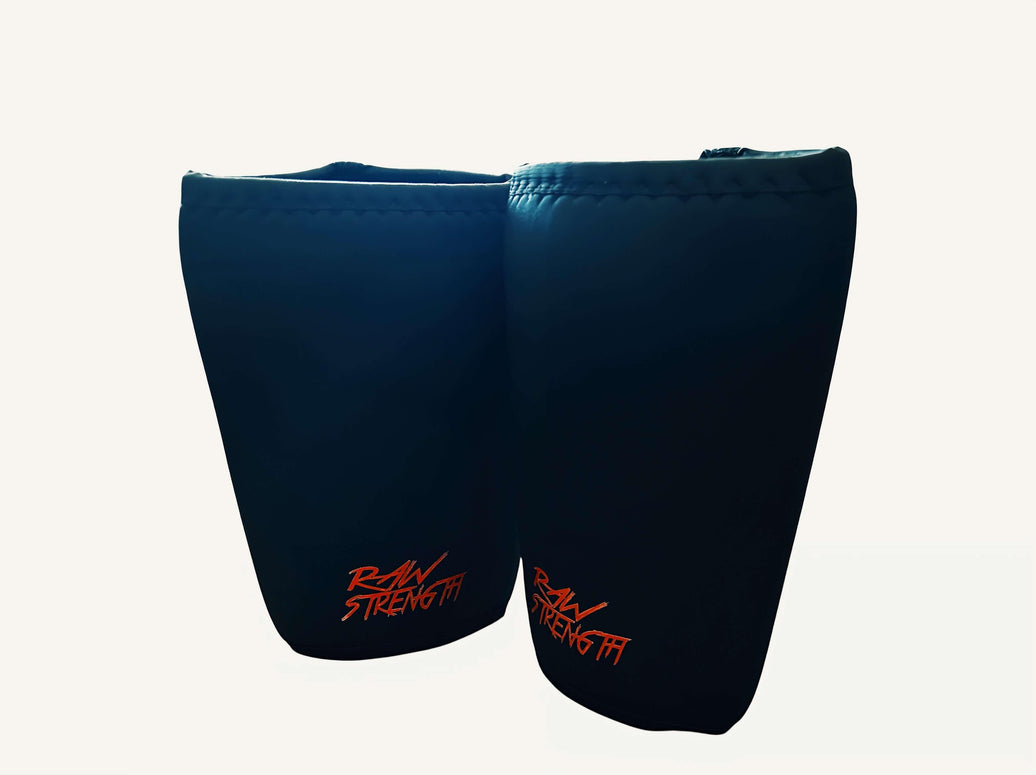
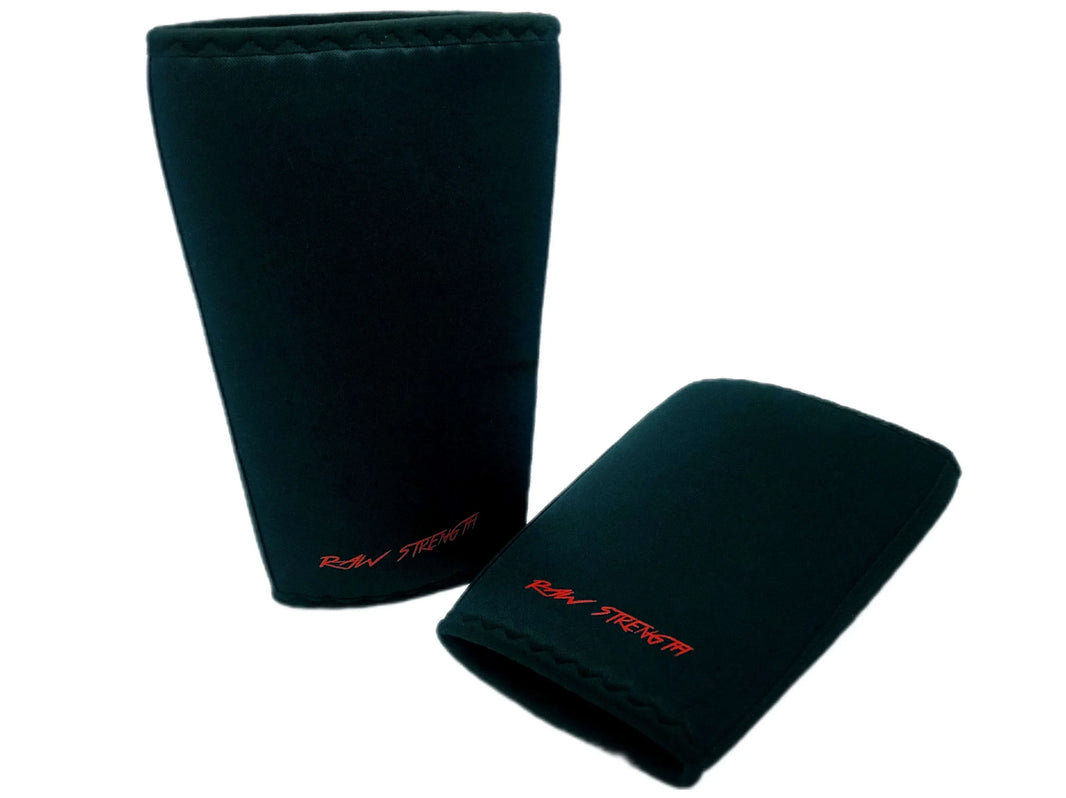
Knee sleeves keep your knees warm, stable, and protected during squats and lower-body training.
Why It Matters
- Improves joint warmth and blood flow
- Adds stability at the bottom of the squat
- Helps prevent irritation or injury
How to Choose
- 7mm thick neoprene sleeves are the standard
- Choose a tight, competition-style fit for maximum rebound
- Make sure the sleeve is contoured for comfort and support
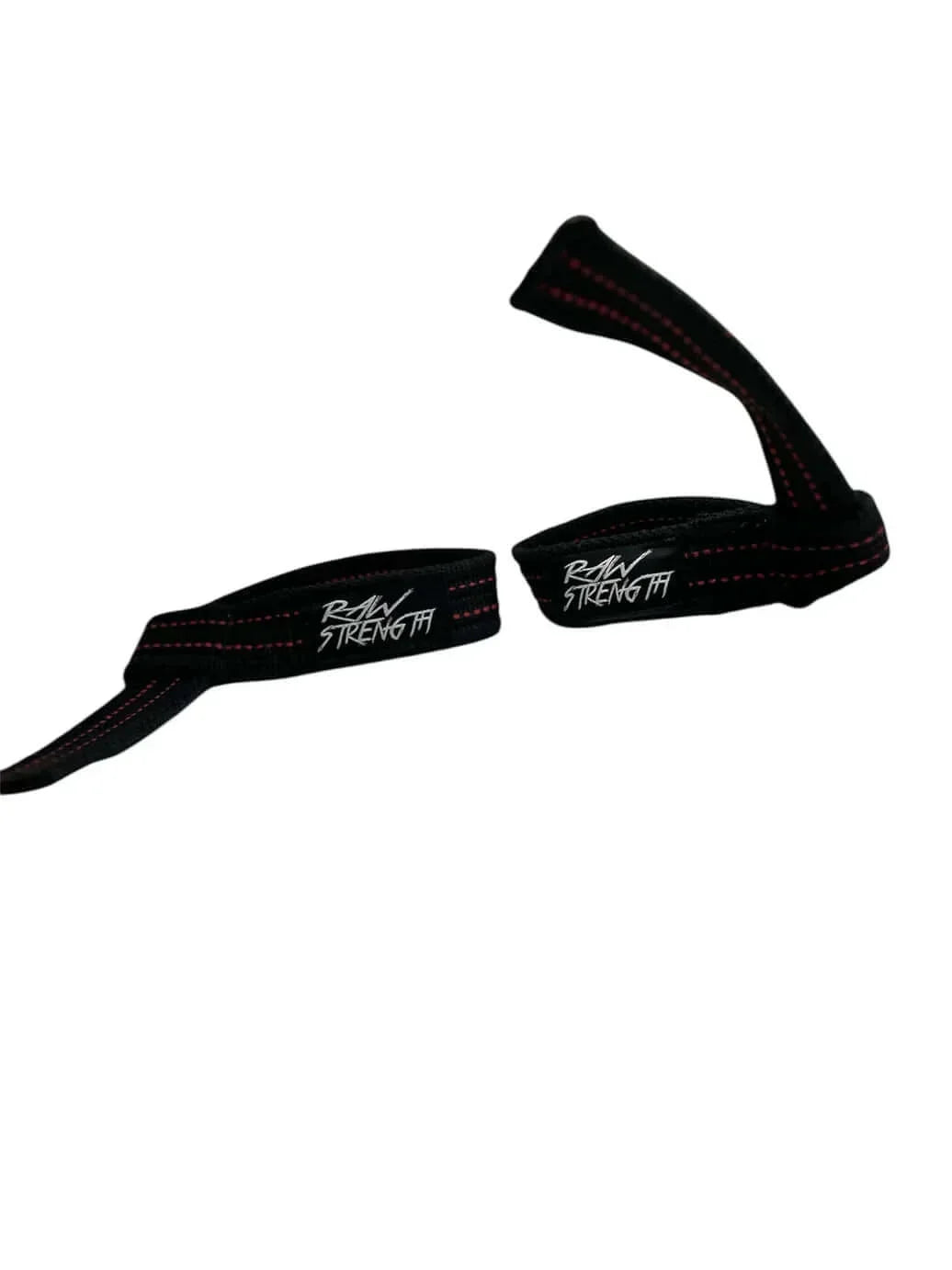
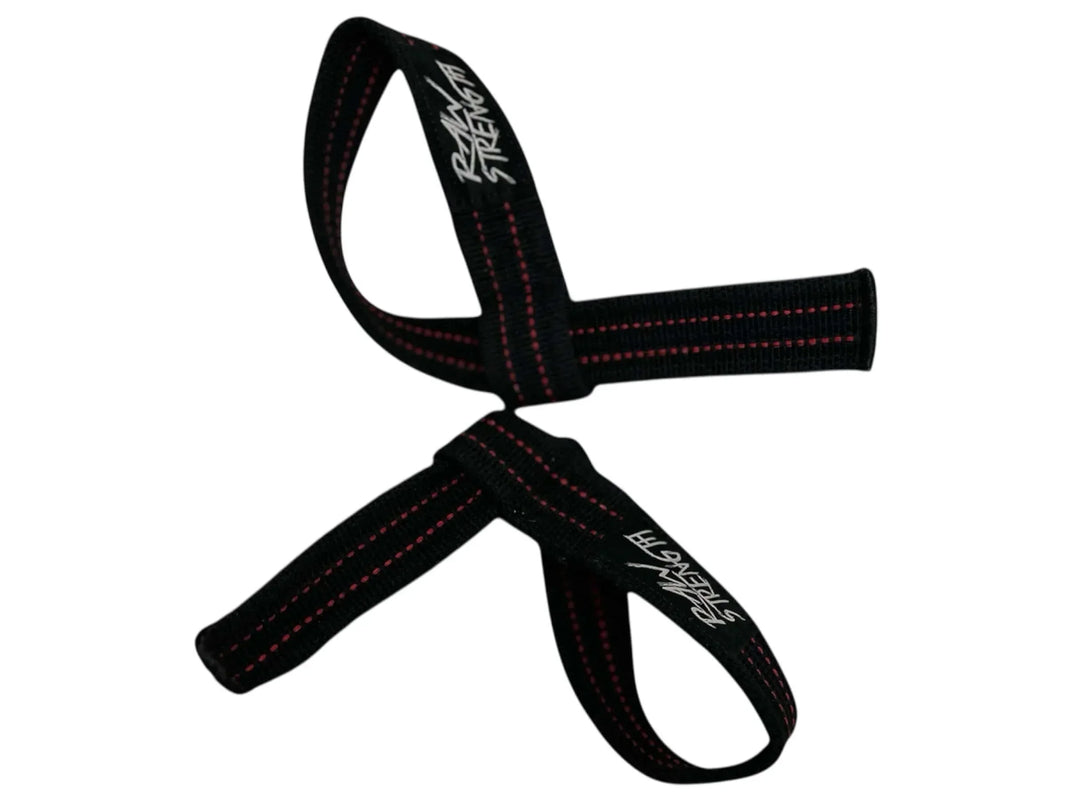
4. Lifting Straps
For deadlifts, rows, and accessory pulling movements, lifting straps eliminate grip fatigue so you can focus on building back and posterior-chain strength.
Why It Matters
- Helps you lift heavier without grip giving out
- Great for volume work
- Essential for beginner deadlifters building strength
How to Choose
- Cotton or nylon straps are beginner-friendly
- Figure-8 straps are ideal for maximal deadlifts
- Look for reinforced stitching for durability
5. Powerlifting Shoes
Your footwear affects your squat depth, deadlift positioning, balance, and overall strength transfer.
Why It Matters
- Provides a stable platform for squatting and pulling
- Improves balance and positioning
- Prevents power loss from soft/compressed shoes
How to Choose
For squats:
- Heeled shoes help with ankle mobility and upright posture
For deadlifts:
- Flat-soled shoes or deadlift slippers keep you closer to the floor and improve leverage
6. Chalk
Simple but essential. Chalk keeps your hands dry and improves your grip, especially during deadlifts and pull movements.
Why It Matters
- Eliminates moisture
- Improves grip strength instantly
- Helps prevent tears and slipping
How to Choose
- Block chalk for the gym
- Liquid chalk for facilities that don’t allow loose chalk
Optional Gear for Added Support
As you progress, you may add more specialized items:
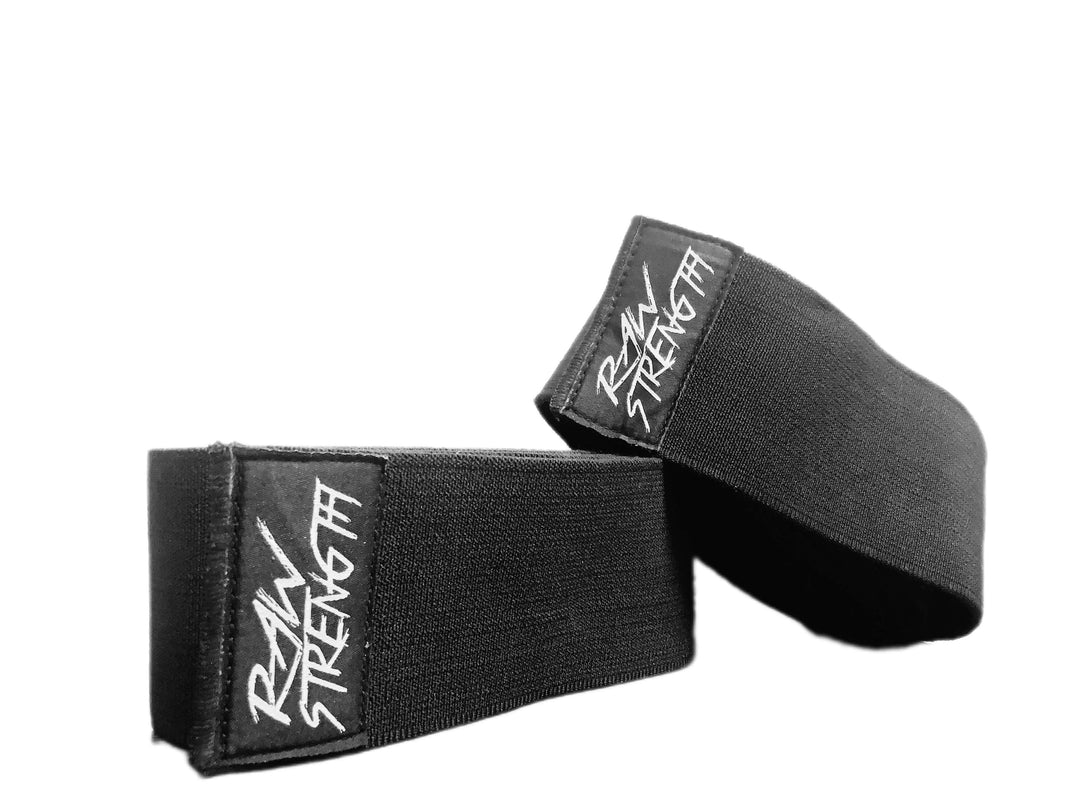
- Knee Wraps – For heavy squat days or competition prep
- Elbow Sleeves – Extra warmth and support for pressing
- Singlets – Required for competitions
- Resistance Bands – Great for warm-ups and accessory work
Beginners don’t need these immediately — focus on mastering technique with the basics.
